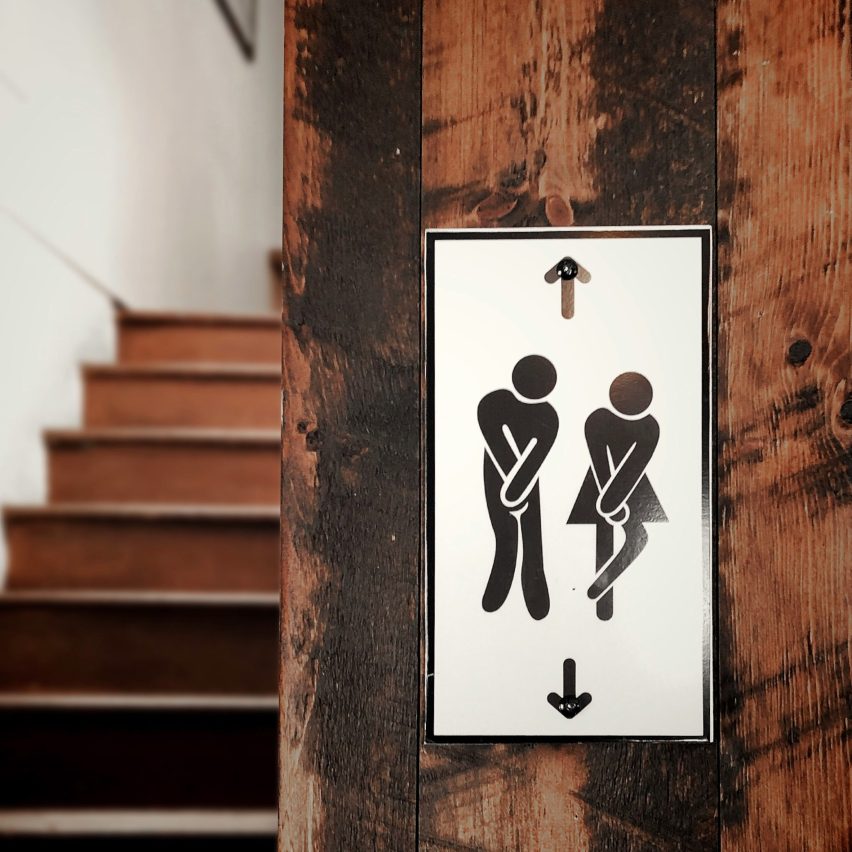
The Royal Society for Public Health has found that the number of public toilets in England has dropped by 14 per cent in the past decade, warning that a lack of facilities is damaging to the health of people and high streets.
Based on data from over 200 Freedom of Information requests, a study by the independent charity revealed that the number of public toilets in the country has fallen by 14 per cent since 2016.
The Royal Society for Public Health stated that “public toilet deserts” are now widespread in England, with one toilet for every 15,481 people. This compares to 8,500 people per public toilet in Scotland and 6,748 in Wales.
Lack of toilets creates “unpleasant environments that degrade our public realm”
The charity argued that the shortfall in toilet provision has an impact both on people’s individual health and the quality of public space.
It claimed that the lack of facilities leads to an increase in public urination and discourages people from spending time in public spaces.
“One public toilet per 15,000 people simply isn’t good enough, and without action, that figure will keep rising as we lose more facilities,” said Royal Society for Public Health chief executive William Roberts.
“For some people, access to a public toilet can be the difference as to whether they leave the house, for others it can lead to deliberately restricting fluid intake to avoid the need to use a toilet.”
“The effects also go far beyond the individual,” he continued. “Having an insufficient number of public toilets has inevitable unsanitary consequences, creating unpleasant environments that degrade our public realm.”
“We need to create public spaces that people want to spend time in”
According to the Royal Society for Public Health, one of the reasons for the shortfall in publically accessibly toilets is because the provision is down to local English councils, while local authorities in the devolved nations have greater control on public spending.
It found that local authority funding power in England has reduced by 26 per cent since 2010, leading to less spending on non-discretionary services such as toilet facilities.
“As a country, we can and should be doing better,” said Roberts. “We need to create public spaces that people want to spend time in, and this means giving local authorities the resources they need to provide the facilities we all rely on.”
To help allevitate the lack of facilities, the Royal Society for Public Health called for funding from central government and strategic authorities to ensure facilities are in place where they are needed most.
It also suggested regulations be put in place to encourage private developers to add public toilets in developments with non-residential units.
Public toilets that have featured on Dezeen include a brick pavilion in London by Studio Weave and a park toilet in Japan with rammed-earth walls, designed by Tono Mirai Architects.
The photography is by Olivier Collet via Unsplash.
The post Study finds swathes of England left with “public toilet deserts” as facilities decline appeared first on Dezeen.